
Guides, deep-dives, and comparisons on AI content generation, autoblogging, SERP analysis, and SEO strategy.

Google Search Console's performance and indexing reports are lagging by 32 hours to two weeks as of early 2026. Here's what's causing the delays and how to monitor your SEO during the outage.

The digital marketing industry faces a critical talent shortage in 2026. Specialized recruitment firms now connect companies with experienced SEO, paid media, and social media professionals — here's how to build your marketing team.

Instagram is now auto-generating SEO headlines for posts to boost Google Search visibility. The feature raises accuracy concerns — many headlines don't match actual content, potentially damaging rankings and user trust.

Teams are hitting $10,000/month in Tier-1 affiliate markets using drop domains and monobrand clusters. Here's the exact strategy: domain selection, ranking acceleration, and risk management.

Fashion brands now compete for AI recommendations, not just Google rankings. 74% of shoppers trust AI-curated suggestions over search results. Here's how to get your products recommended by ChatGPT, Claude, and Google AI Mode.

AI coding agents now automate SEO reporting from Google Search Console — what once took hours of manual work now takes minutes. Here's how to set up custom reports with live data updates.

Content teams now have dozens of AI article generators to choose from, each with different strengths in speed, quality, and cost. Here's how to evaluate them based on your actual workflow needs — not marketing hype.

Google's 2025-2026 updates are cracking down on low-quality AI content at scale. Sites publishing unreviewed AI text face ranking drops, deindexing, and manual penalties. Here's what's changed and how to use AI responsibly.

AI is reshaping SEO work in 2026, but it's not replacing human specialists—it's changing their role. Here's what AI handles, where humans still matter, and which skills specialists need to survive.

On-page and off-page SEO serve different purposes but both are critical for rankings in 2026. Here's how they differ, why you need both, and what happens when you neglect either one.

On-page and off-page SEO are two distinct but equally critical ranking strategies. On-page covers title tags, content, and technical optimization; off-page focuses on backlinks and brand authority. Here's how they work together to drive rankings.

Google releases algorithm updates continuously throughout 2026 — not on a fixed schedule. Core updates happen several times yearly, while thousands of smaller changes occur constantly. Here's how to track them and adapt.

Google's 2024 algorithm updates fundamentally reshaped search rankings—the March core update hit low-quality content hard, while new rules for AI-generated material and the Helpful Content System changed what ranks. Here's what changed and how to adapt.

LLMs now prioritize semantic clarity and source attribution over keyword density. Here's how to structure content, cite sources, and format information so AI models reliably extract and rank your work in 2026.

LLM SEO is reshaping how content gets discovered — AI systems now cite sources differently than Google ranks them. Here's what changed and how to optimize for ChatGPT, Gemini, and other large language models in 2026.

Google no longer penalizes AI-generated content — what matters is quality and relevance. Here's what actually determines if your AI content ranks in 2026, plus the editing mistakes that tank performance.

Google won't penalize AI-generated content if it's edited and valuable — but unedited, mass-produced articles tank rankings. Here's how E-E-A-T, originality, and user engagement determine whether AI content ranks in 2026.

AI SEO tools have transformed how beginners compete online — automating keyword research, content optimization, and rank tracking that once required specialist knowledge. Here's what to look for and which tools actually deliver results.

No — Google doesn't reveal who searches for you, and no app can either. Here's what you can actually track about your online presence and how to control what people find.

Generative engine optimization (GEO) is reshaping how brands get discovered in AI responses. ChatGPT, Perplexity, and Google AI Overviews now handle billions of queries daily—and LLM-referred traffic converts 4.4x better than traditional search.

Google SEO is technically free—you don't pay Google to rank. But the reality is complex: time, tools, and expertise carry real costs. Here's what actually matters in 2026.

Google SEO in 2026 has shifted beyond keywords and backlinks. High-quality content, E-E-A-T signals, Core Web Vitals, and AI optimization now determine rankings — here's what changed and how to adapt.

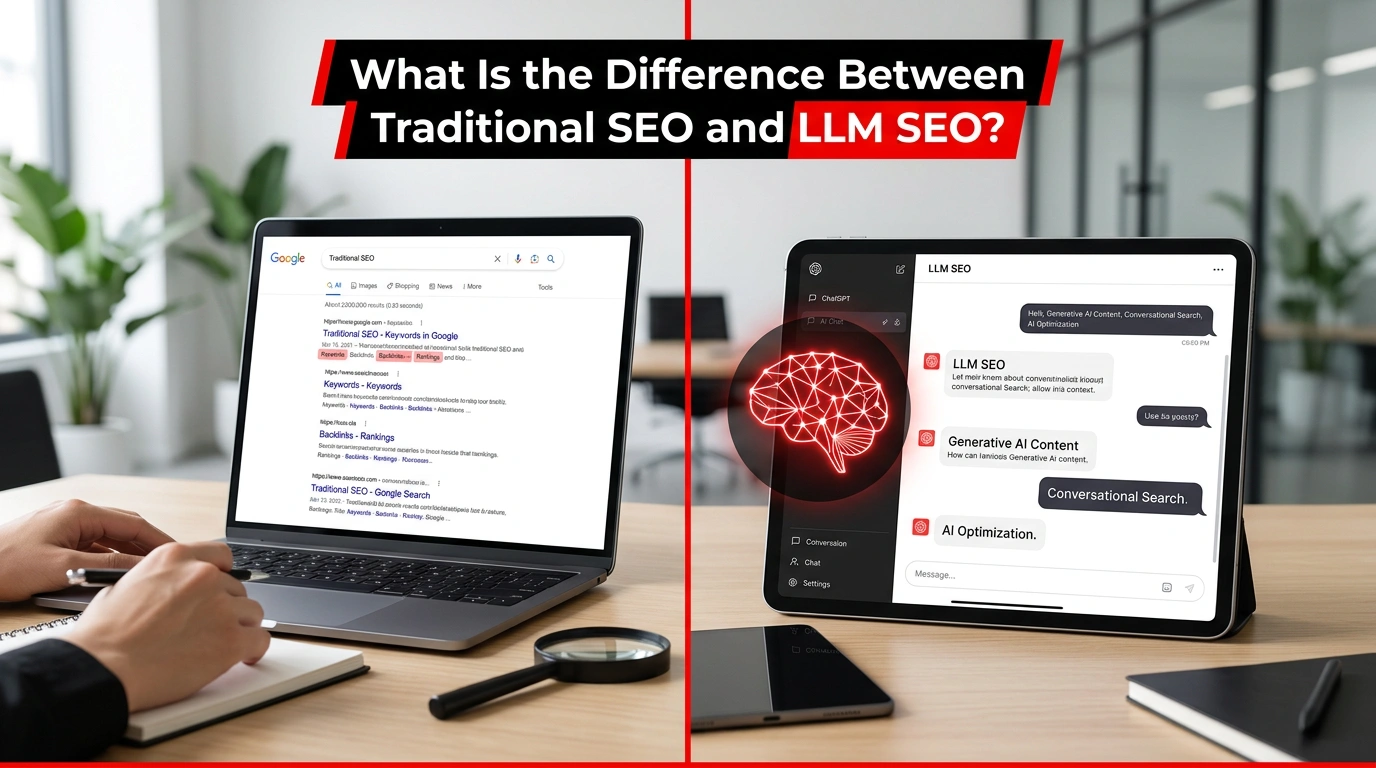
Traditional SEO optimizes for rankings. LLM SEO optimizes for citations in AI-generated answers. Here's how the two differ and why you need both strategies in 2026.

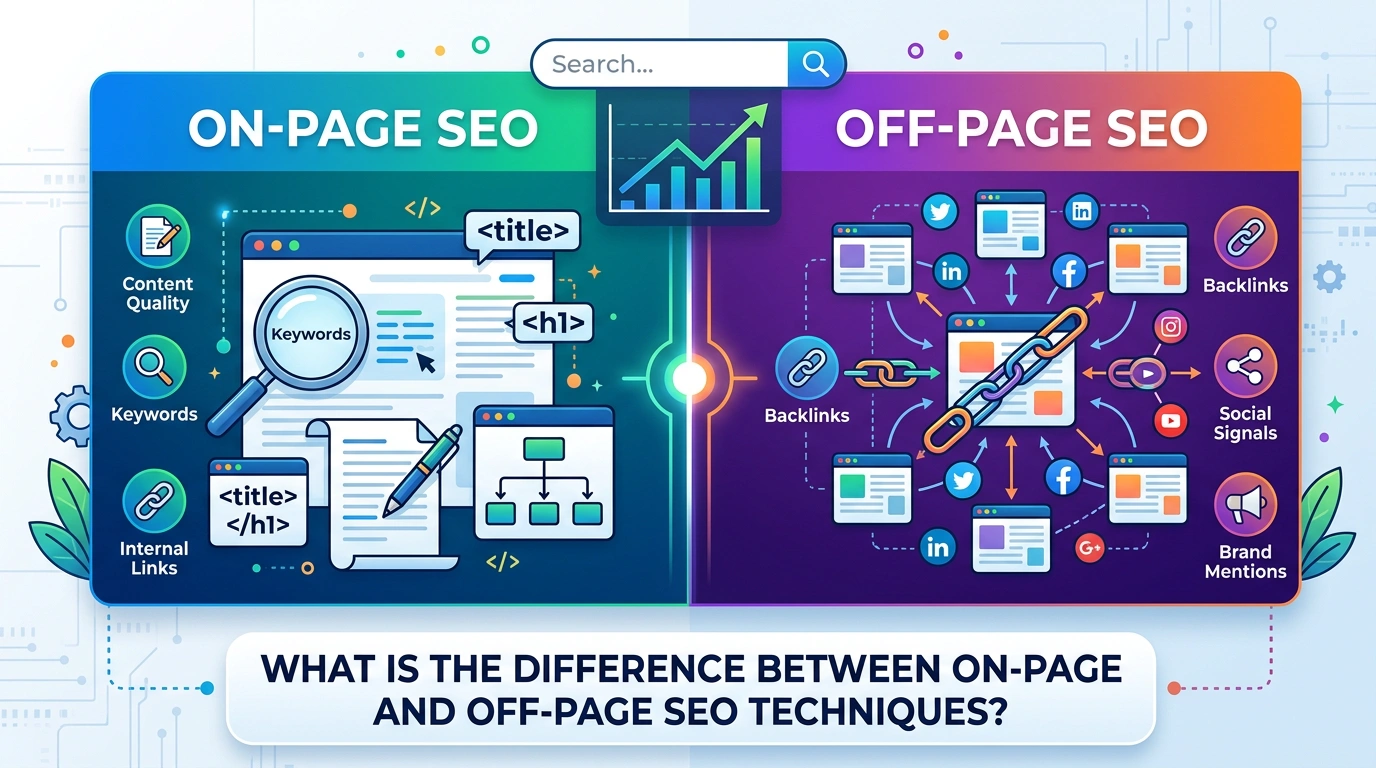
On-page SEO covers everything you control on your website—content, titles, technical setup. Off-page SEO is what happens outside your site—backlinks, brand mentions, social signals. Both are essential to rank competitively in 2026.

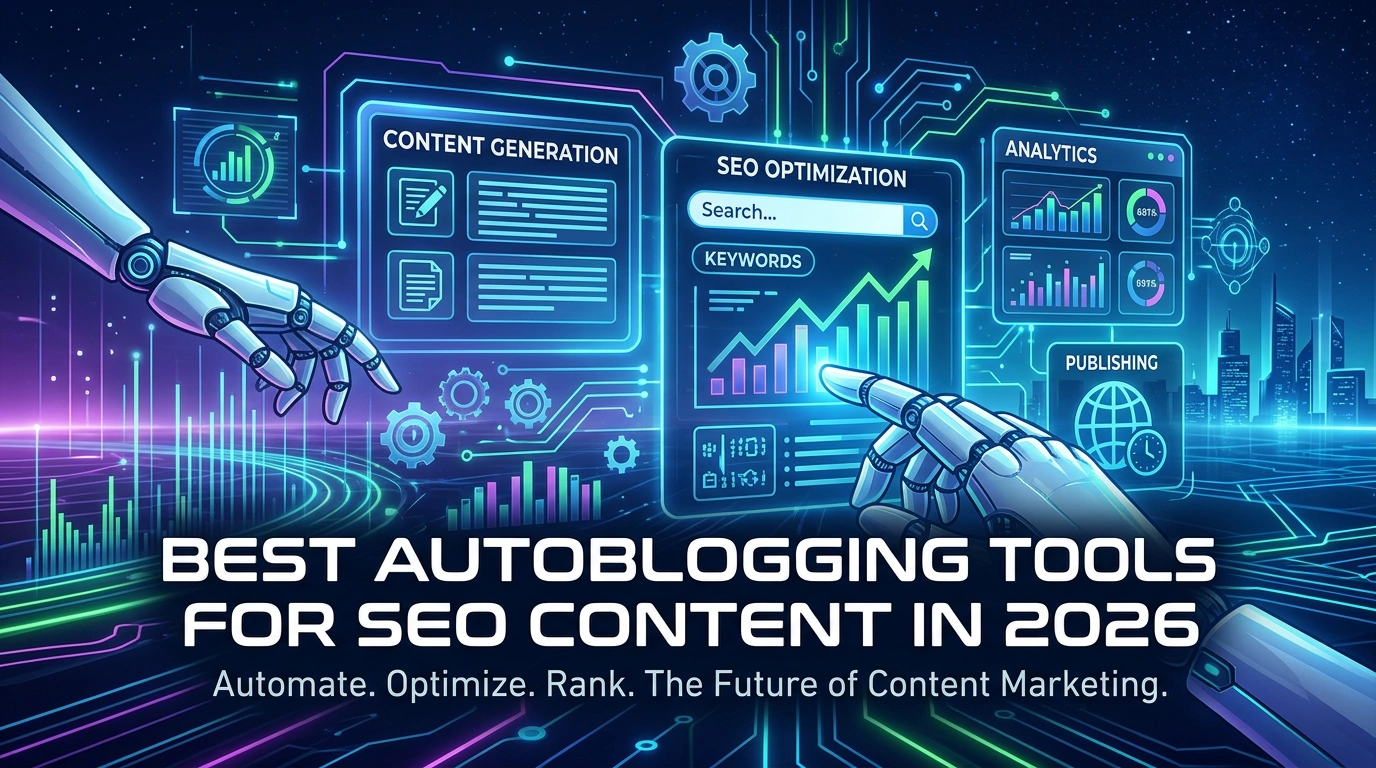
Autoblogging platforms now generate SEO-optimized articles in 90 seconds and publish directly to WordPress. Here's how serp.systems and competitors stack up on speed, automation, and ranking potential.

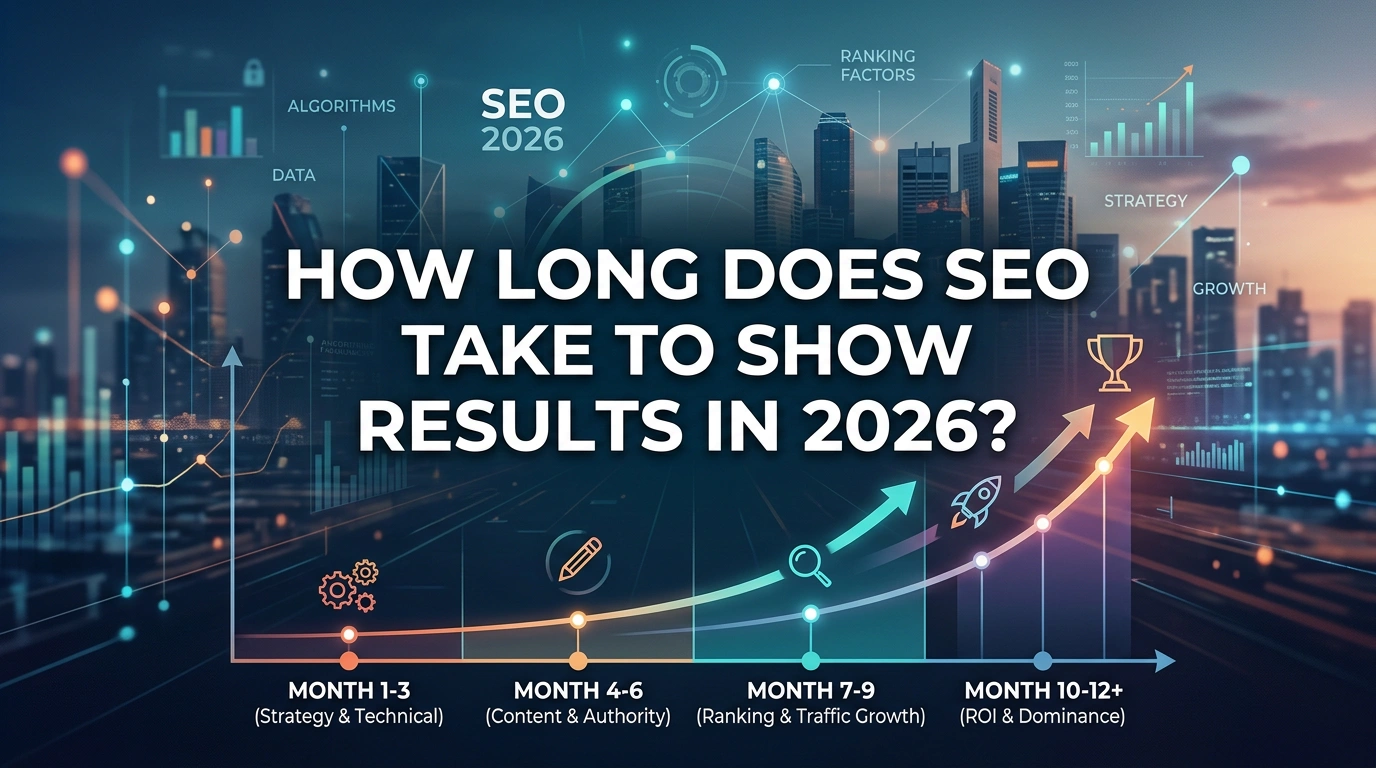
Most websites see SEO results in three to six months, but domain age, backlinks, and competition shift the timeline significantly. Here's what to expect month-by-month and how to measure progress before rankings improve.
5 free articles per month. Full SERP analysis, NLP scoring, content analyzer, and autoblogging included.
Get Started Free →