Updated May 03, 2026 · 10 min read
Is Google SEO Free in 2026?
Google SEO is technically free—you don't pay Google to rank. But the reality is complex: time, tools, and expertise carry real costs. Here's what actually matters in 2026.

Google search engine optimization doesn't require a direct payment to Google, but the reality is more complex. While the core practice of optimizing your website for search results costs nothing, the time, tools, and expertise needed to do it effectively can represent a significant investment.
Table of Contents
- What Does "Free" Actually Mean for SEO?
- The Hidden Costs of SEO
- Free SEO Tools and Resources
- When You'll Likely Need to Pay
- Building an SEO Strategy Without Spending
- Comparing DIY vs. Professional SEO
- Earning Organic Traffic Without Paid Ads
- Technical SEO and Site Structure
- Content Strategy Without Breaking the Bank
- Link Building Without Paid Services
- Measuring SEO Success for Free
- When SEO Tools Become Worth the Investment
- Frequently Asked Questions
What Does "Free" Actually Mean for SEO?
The short answer: yes, Google SEO is technically free. You don't pay Google to rank higher in search results. Google's algorithm crawls and indexes websites without charging site owners a fee. But this doesn't mean SEO costs nothing in practice.
When people ask if SEO is free, they're usually asking whether they can improve their search visibility without spending money. The answer depends on what resources you already have. If you have the knowledge, time, and tools in-house, you can absolutely optimize your site without paying anyone. However, most businesses discover that the time investment alone represents a real cost, even if no cash changes hands.
The distinction matters because it shapes how you budget for SEO. You're not buying your way to the top of Google like you would with paid search ads. Instead, you're investing labor and potentially third-party tools to earn better rankings over time.
The Hidden Costs of SEO
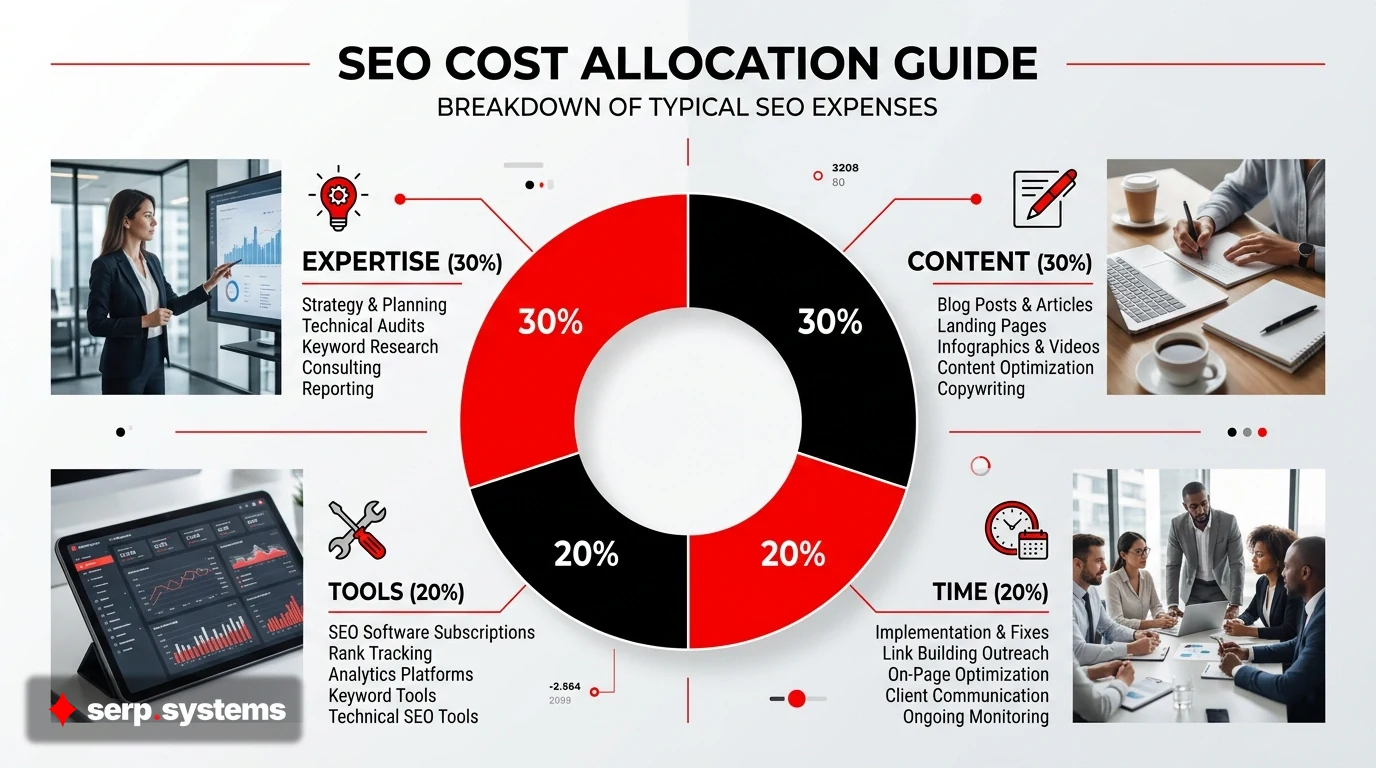
Even "free" SEO carries costs that aren't immediately obvious. Time is the first and largest hidden cost. Keyword research, content creation, technical audits, and link building all require hours of work. For a small business owner juggling multiple responsibilities, those hours have real value.
Software and tools represent the second major expense. While free options exist, they often have limitations. Many professionals and businesses invest in premium SEO platforms that provide deeper insights, automation, and competitive analysis. These subscriptions can range from $50 to several hundred dollars per month depending on the tool and your needs.
Hiring expertise is another consideration. If you lack SEO knowledge, you'll either need to learn it yourself (time investment) or hire someone who knows it (direct cost). Freelance SEO specialists typically charge $50 to $200+ per hour, while agencies might cost $2,000 to $10,000+ per month depending on scope and location.
Content creation can also be expensive if you outsource it. Professional writers, designers, and developers all charge for their work. A single well-researched, professionally designed piece of content might cost $500 to $2,000 or more.
Free SEO Tools and Resources
Fortunately, legitimate free tools exist that can help you start without spending money. Google Search Console is essential and costs nothing. It shows you how Google sees your site, which queries bring traffic, and where you have technical issues. Google Analytics is equally valuable for understanding visitor behavior.
Keyword research tools with free versions include Google Keyword Planner, Ubersuggest's free tier, and AnswerThePublic. These help you find search terms people actually use. Competitor analysis tools like SEMrush and Ahrefs offer limited free access, though their full feature sets require payment.
On-page optimization can be handled with free tools like Yoast SEO (WordPress plugin) or free browser extensions that analyze readability and keyword usage. Google's PageSpeed Insights and GTmetrix help identify performance issues at no cost.
For link research and backlink analysis, some free tools exist, though they're often limited compared to paid versions. The key is that you can start learning and making improvements with zero budget.
When You'll Likely Need to Pay
Most businesses eventually decide that paying for SEO tools or expertise makes sense. If you're managing multiple websites or competing in a crowded industry, free tools become limiting. You'll struggle to track rankings, analyze competitors comprehensively, or identify opportunities that paid tools surface quickly.
If you lack SEO knowledge, hiring someone becomes cost-effective. The time you'd spend learning could be spent on your core business. A good SEO specialist often pays for themselves through improved rankings and traffic within months.
If you're in a highly competitive niche, you'll likely need better tools and strategies than free resources provide. Competitive analysis, advanced keyword research, and technical audits become more complex and time-consuming without proper software.
Content creation at scale almost always requires investment. If you're building a content strategy with dozens or hundreds of articles, you'll probably hire writers, designers, and developers rather than doing it all yourself.
Building an SEO Strategy Without Spending
You can absolutely make progress on SEO with zero budget. Start by understanding your audience and the keywords they search for using Google Keyword Planner and Google Search Console. Create genuinely useful content that answers questions your audience has. Focus on quality over quantity—one excellent article beats ten mediocre ones.
Optimize your existing content for the keywords you've identified. Improve page speed by following Google's PageSpeed Insights recommendations. Build internal links between related pages on your site. These foundational tasks cost nothing but time.
Reach out to relevant websites, blogs, and publications in your industry and ask if they'd link to your content. Guest posting and relationship building can earn links without paying for them. Monitor your progress using free analytics and search console data.
The limitation of a free approach is speed and scale. You'll make progress, but it will be slower than if you had budget for tools and expertise. Additionally, as competition increases, free tools may not provide the insights you need to stay ahead.
Comparing DIY vs. Professional SEO
| Aspect | DIY SEO | Professional SEO |
|---|---|---|
| Cost | Time only (or free tools) | $1,000–$10,000+/month |
| Time Investment | 10–20+ hours/week | Handled by specialists |
| Learning Curve | Steep; requires ongoing education | Experts handle complexity |
| Speed to Results | Slower; 3–6 months to see impact | Faster; 2–4 months typical |
| Tool Access | Limited to free versions | Full suite of premium tools |
| Scalability | Difficult for multiple sites | Easy to scale across properties |
| Flexibility | Complete control | Depends on agency processes |
The DIY route works best if you have time, patience, and genuine interest in learning SEO. Professional help makes sense if you want faster results, lack expertise, or manage multiple properties.
Earning Organic Traffic Without Paid Ads
One of the biggest benefits of SEO is that once you rank well, you don't pay per click like you do with Google Ads. Organic traffic is free after the initial optimization work. This means SEO delivers better long-term ROI than paid search if you're willing to invest upfront.
A site ranking on the first page of Google for competitive keywords can receive thousands of free visitors monthly. Those visitors cost nothing per click, unlike paid search where you might pay $1 to $10+ per click depending on the industry.
This is why many businesses eventually invest in SEO despite the upfront costs. The payoff compounds over time as more pages rank and authority builds.
Technical SEO and Site Structure
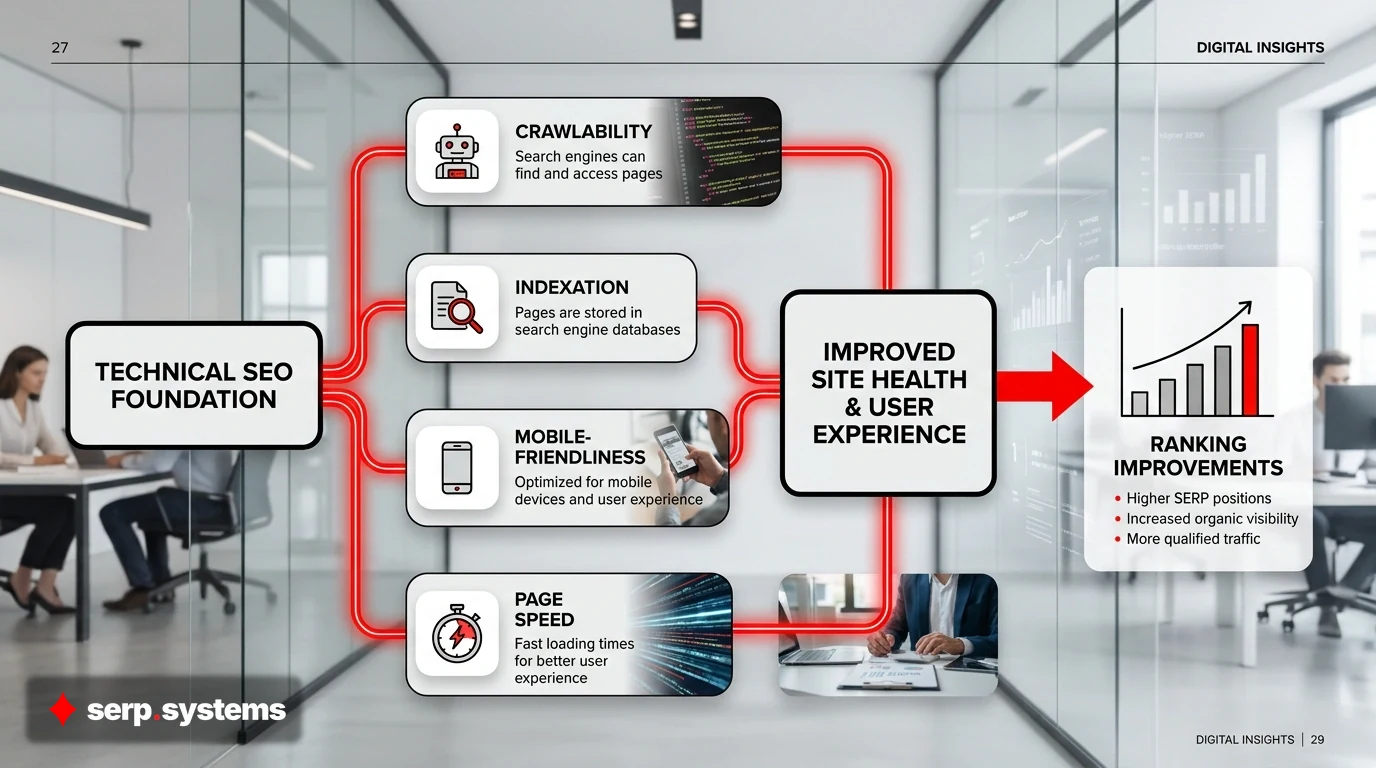
Getting technical SEO right doesn't require spending money, but it does require knowledge. Your site needs to be mobile-friendly, load quickly, have a logical structure, and use proper HTML markup. Google's free tools help identify issues, but fixing them might require developer time.
XML sitemaps and robots.txt files are free to create and implement. They help Google crawl and index your site more effectively. Schema markup (structured data) is free to add and helps search engines understand your content better.
If you're not comfortable with technical implementation, you might hire a developer. However, many content management systems like WordPress make these tasks easier without requiring coding knowledge.
Content Strategy Without Breaking the Bank
Creating content strategically matters more than creating lots of content. Before writing, research what people are actually searching for and what existing content ranks. Target keywords with decent search volume but lower competition where possible.
Write content that's genuinely better than what currently ranks. This means more thorough, better organized, more recent, or more useful. You don't need expensive tools for this—just research, writing skill, and willingness to invest time.
Long-form content (1,500–3,000+ words) tends to rank better than thin content. Comprehensive guides answer more questions and satisfy search intent more completely. This format favors sites willing to invest in depth rather than those buying their way to the top.
Consider building cornerstone content that covers broad topics thoroughly, then supporting it with more specific articles that link back. This structure helps both users and search engines understand your expertise.
Link Building Without Paid Services
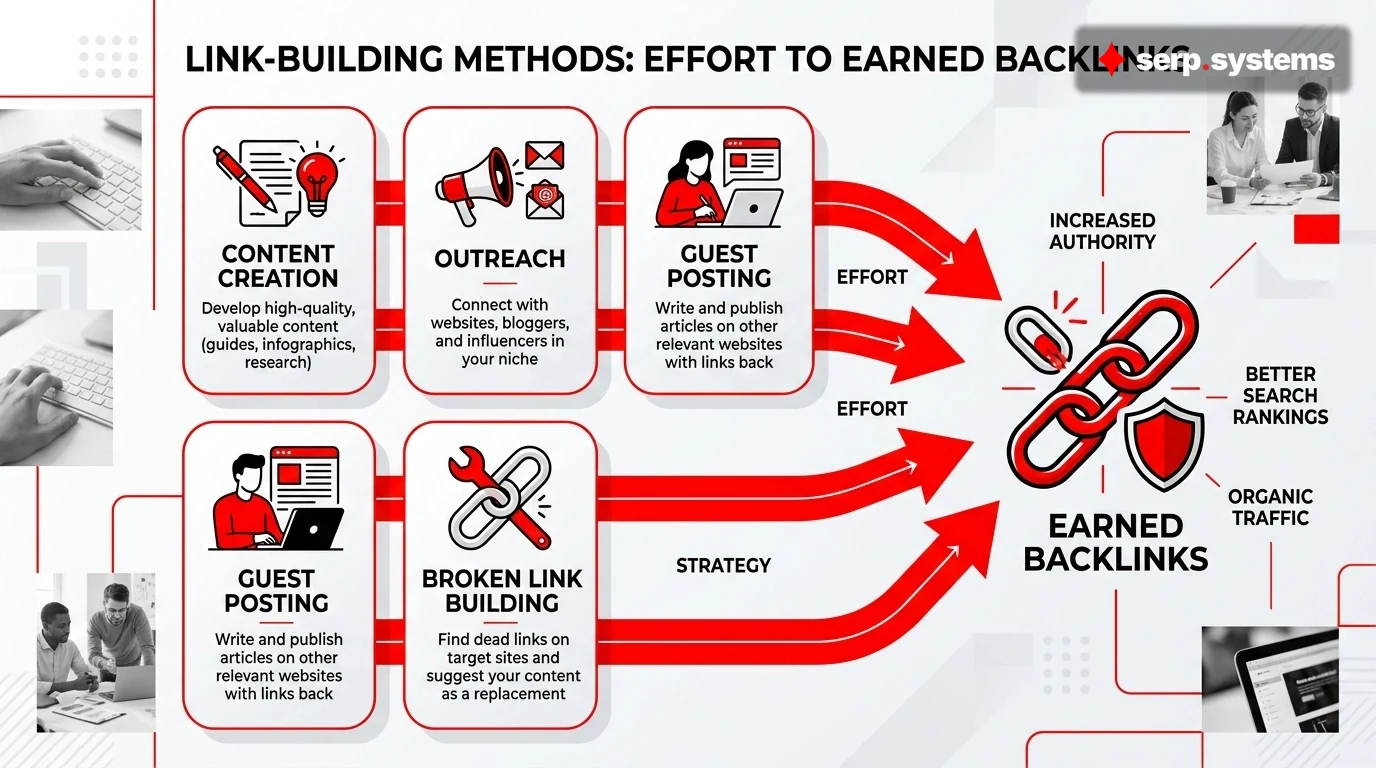
Backlinks remain one of the strongest ranking factors, and you can earn them without paying for link-building services. Content marketing is the foundation—create something worth linking to. Research papers, original data, comprehensive guides, and tools attract links naturally.
Outreach is the second step. Identify relevant websites, blogs, and publications that might link to your content. Personalize your pitch and explain why your content would be valuable to their audience. This takes time but costs nothing.
Guest posting on industry blogs earns both links and exposure. You provide free content to another site, and they link back to your website. Many publications accept guest posts from knowledgeable contributors.
Broken link building involves finding broken links on relevant websites and suggesting your content as a replacement. Tools like Check My Links are free or cheap, and the outreach is just email.
Measuring SEO Success for Free
You don't need expensive tools to track whether your SEO is working. Google Search Console shows you keyword rankings, click-through rates, and impressions for free. You can see which queries bring traffic and which pages need improvement.
Google Analytics tracks where your traffic comes from, how long visitors stay, and what they do on your site. This data is essential for understanding whether your SEO efforts are actually helping.
Set up rank tracking using free tools or even manual checks in Google Search. Monitor your top target keywords monthly to see if you're improving. Track your organic traffic trend in Google Analytics.
Measure engagement metrics like time on page, bounce rate, and pages per session. These indicate whether your content satisfies what people are searching for.
When SEO Tools Become Worth the Investment
As your SEO efforts grow, certain tools become increasingly valuable. Rank tracking tools automate monitoring hundreds of keywords across multiple locations. Competitor analysis tools show you what keywords competitors rank for and where you have opportunities.
Technical audit tools scan your entire site for issues that free tools might miss. Content optimization tools analyze top-ranking pages and suggest improvements to your drafts. Backlink analysis tools show you where competitors get links and help identify link opportunities.
These tools typically cost $50–$500+ monthly depending on features and site size. Whether they're worth it depends on your budget, competition level, and how much time they save you.
For many businesses, investing in one or two key tools while keeping others free is a good middle ground. You might use a rank tracker and Google Search Console, for example, while relying on free tools for other tasks.
Frequently Asked Questions
Can I do SEO completely for free?
Yes, you can make progress on SEO with zero budget if you have time and willingness to learn. Use Google Search Console, Google Analytics, and free keyword research tools. Create quality content, optimize for target keywords, and build links through outreach. Progress will be slower than with paid tools and expertise, but improvement is possible.
How much does professional SEO typically cost?
Professional SEO services range widely depending on scope and location. Freelancers might charge $50–$200+ per hour. Agencies typically charge $2,000–$10,000+ per month for ongoing services. One-time projects like technical audits might cost $1,000–$5,000. Enterprise-level services can exceed $20,000 monthly.
Is SEO cheaper than paid search advertising?
SEO has lower ongoing costs than paid search once you rank well, but the upfront investment in time or hiring can be significant. Paid search delivers immediate traffic but costs money per click. SEO takes longer but compounds over time. Most businesses benefit from a mix of both, especially in competitive industries.
What's the best free SEO tool to start with?
Google Search Console is the most essential free tool. It shows you exactly how Google sees your site and which queries bring traffic. Pair it with Google Analytics for visitor behavior insights and Google Keyword Planner for keyword research. These three free tools provide a solid foundation.
How long does it take to see SEO results without spending money?
Organic rankings typically take 2–6 months to show significant improvement, depending on competition and your starting point. Some pages might rank within weeks if competition is low. Building authority and earning backlinks takes longer. Patience is essential with free SEO.
Should I hire an SEO agency or do it myself?
It depends on your time availability, expertise, and budget. If you have limited time or work in a competitive industry, hiring expertise often pays off quickly through improved rankings and traffic. If you have time and enjoy learning, DIY SEO is viable. Many businesses start with DIY and hire help as they grow.