
Updated May 03, 2026 · 10 min read
Best AI SEO Tools for Beginners in 2026
AI SEO tools have transformed how beginners compete online — automating keyword research, content optimization, and rank tracking that once required specialist knowledge. Here's what to look for and which tools actually deliver results.

Starting with SEO can feel overwhelming, especially when you're new to digital marketing. The good news is that AI-powered SEO tools have made it much easier for beginners to compete effectively. These tools automate tedious tasks, provide clear guidance, and help you understand what actually works. Whether you're optimizing your first website or managing multiple projects, the right AI SEO tool can save you weeks of learning and trial-and-error.
Table of Contents
- Why AI SEO Tools Matter for Beginners
- Key Features to Look For
- Top AI SEO Tools for Getting Started
- How to Choose the Right Tool
- Common Beginner Mistakes to Avoid
- Getting Started With Your First AI SEO Tool
- Understanding AI-Powered Recommendations
- Measuring Success and Adjusting Course
- Advanced Features Worth Exploring Later
- Why Beginners Should Start With Serp.systems
- Frequently Asked Questions
Why AI SEO Tools Matter for Beginners
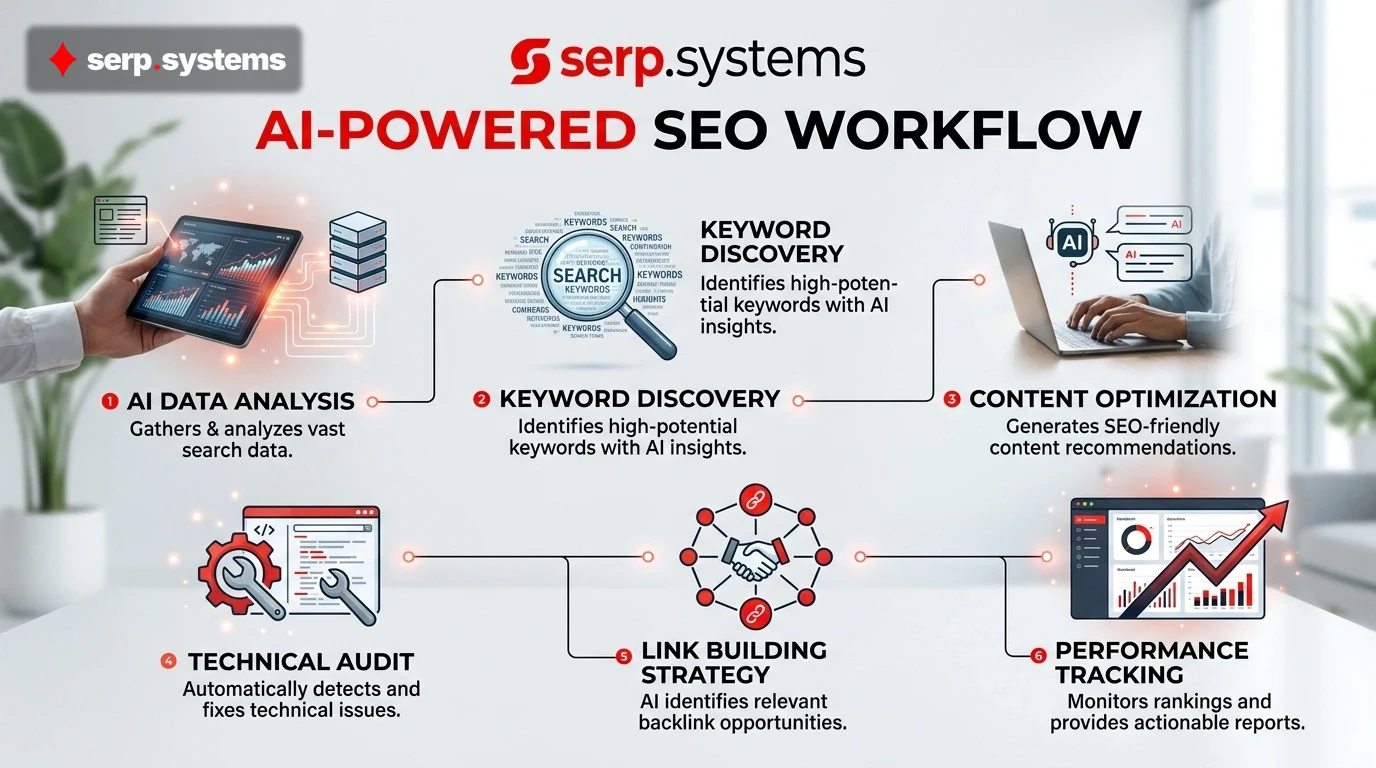
AI SEO tools level the playing field for newcomers. Instead of spending months learning technical SEO, you can rely on intelligent automation to handle keyword research, content optimization, and performance tracking. These tools analyze massive amounts of data and surface actionable insights that would take a human analyst hours to uncover.
The biggest advantage is speed. What used to require a full-time specialist can now be done by a beginner with the right tool. You'll identify opportunities faster, optimize content more effectively, and track results without constant manual monitoring.
Key Features to Look For
When evaluating AI SEO tools for beginners, focus on these core capabilities. Keyword research functionality should be intuitive and provide search volume, difficulty scores, and intent classification without requiring technical expertise. Content optimization features help you understand exactly what changes will improve your rankings—specific recommendations with reasoning, not vague suggestions.
Look for tools that offer competitor analysis. You should be able to see what your competitors rank for, which keywords drive their traffic, and what content performs best in your niche. Rank tracking is essential too. You need to know whether your efforts are moving the needle, and this should update regularly without manual intervention.
Additionally, on-page SEO audits should identify technical issues, missing metadata, and optimization gaps. The tool should explain why each issue matters and how to fix it. Finally, reporting features should make it simple to show clients or stakeholders what progress you've made. Automated reports save tremendous time.
Top AI SEO Tools for Getting Started
Understanding Your Starting Point
Before diving into specific tools, recognize that beginner-friendly doesn't mean limited. Modern AI SEO platforms scale with your skills. You start with simplified interfaces and guided workflows, then unlock advanced features as you grow. The best platforms for beginners offer both simplicity and depth.
Essential Tools to Consider
Keyword research and content planning is where most beginners should start. Tools in this category help you find low-competition keywords you can actually rank for, understand search intent, and plan content that matches what your audience is looking for. They typically cost between $50-200 monthly and provide immediate value.
On-page optimization tools guide you through the process of improving existing content. They analyze your page against top-ranking competitors and suggest specific changes to titles, meta descriptions, headings, and body content. Many include AI writing assistance to help you implement recommendations quickly.
Technical SEO auditors scan your website and flag issues that hurt rankings. These range from broken links and missing metadata to page speed problems and mobile usability issues. For beginners, this automated discovery is invaluable because technical SEO has many moving parts.
Rank tracking platforms monitor your keyword positions daily. Instead of manually checking Google rankings, you get automated updates showing which keywords improved, declined, or remained stable. This data-driven feedback keeps you motivated and helps you understand what's working.
Competitor analysis tools let you see what's working for others. You can view which keywords competitors rank for, estimate their monthly traffic, and identify content gaps in your niche. This research phase is crucial for beginners who need to understand their competitive landscape.
How to Choose the Right Tool
Start by identifying your biggest pain point. Are you struggling to find keywords? Start with keyword research. Can't figure out why your content isn't ranking? Begin with on-page optimization. Unsure if your website has technical issues? Run a site audit first.
Consider your budget realistically. Many quality tools offer free tiers or trials. Use these to test the interface and see if the tool matches how you think. Spending $99 monthly on a tool you don't use is worse than spending nothing.
Evaluate the learning curve honestly. Some tools prioritize power and flexibility, requiring more setup and configuration. Others prioritize simplicity, getting you results faster. For beginners, simpler usually wins because you'll actually use it consistently.
Check for integration capabilities too. If you're already using Google Analytics, WordPress, or other platforms, tools that connect to these systems save you time switching between tabs. Native integrations also mean better data accuracy.
Read recent reviews from other beginners. Look for comments about customer support quality, how quickly you see results, and whether the tool delivers on its promises. Avoid tools where most complaints are about confusing interfaces or poor support.
Common Beginner Mistakes to Avoid
Many newcomers jump to optimization before understanding their baseline. You need to know your current rankings, traffic sources, and what's already working before making changes. Skipping this analysis step means you might optimize the wrong pages or miss easy wins.
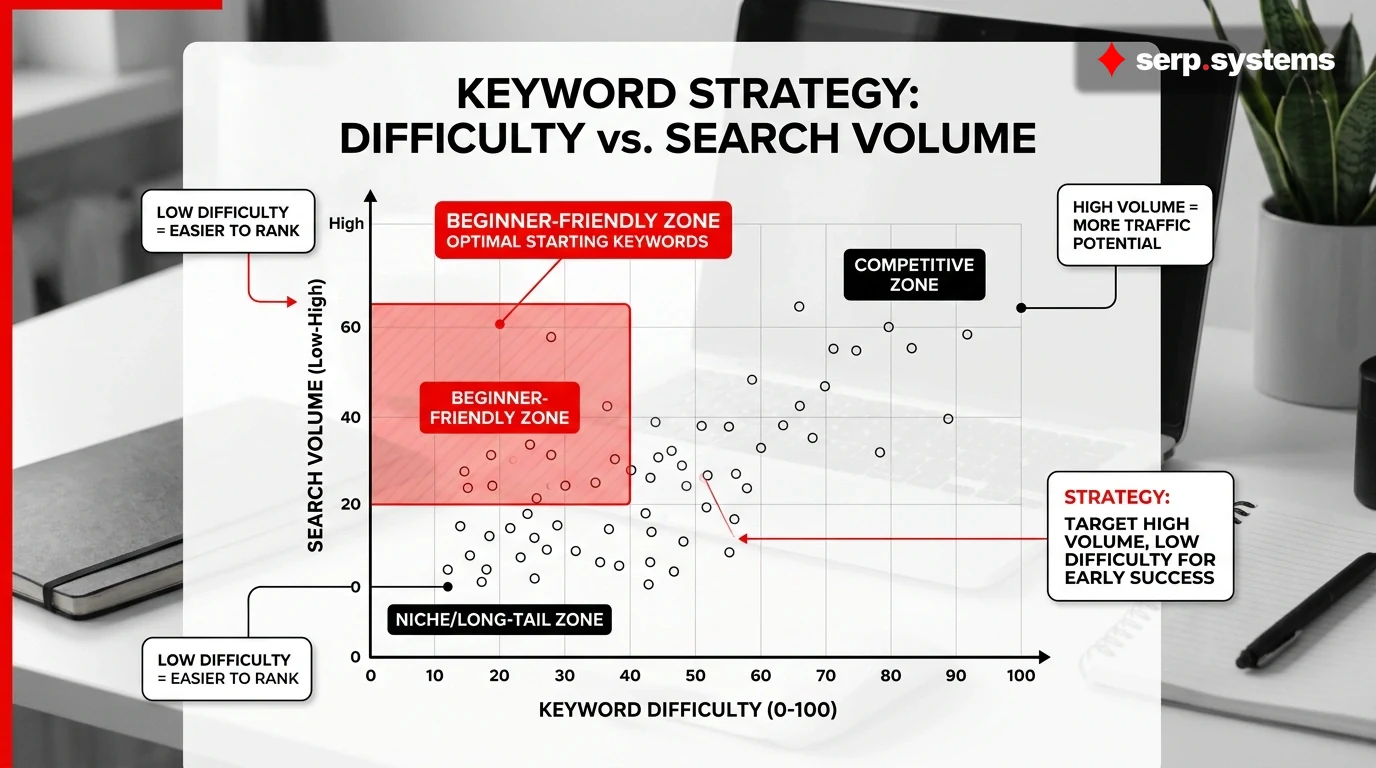
Another frequent mistake is chasing every keyword. Beginners often target highly competitive terms where established sites dominate. AI tools help you find high-opportunity keywords—terms with decent search volume but lower competition where you can realistically rank. Focus there first.
Don't set it and forget it. SEO requires ongoing attention. Rankings fluctuate, competitors launch new content, and search intent evolves. Check your metrics monthly and adjust your strategy accordingly. Most AI tools make this monitoring automatic, so you just need to review the reports.
Avoid keyword stuffing or unnatural optimization. Modern AI tools guide you toward natural, user-friendly optimization. If a tool suggests making your content awkward to hit a keyword density target, that's a red flag. Good optimization improves both rankings and user experience simultaneously.
Finally, don't expect overnight results. SEO takes time, typically 3-6 months to see meaningful progress. Tools accelerate the process, but they can't override Google's fundamental need to see consistent, quality content and trustworthy backlinks. Be patient and persistent.
Getting Started With Your First AI SEO Tool
Choose one tool and commit to learning it thoroughly. Jumping between five different platforms confuses you and wastes time. Pick based on your primary need and stick with it for at least 90 days.
Start with a keyword research project. Identify 20-30 target keywords for your website or client site. Use the tool to find keywords with search volume between 100-1000 monthly searches and lower competition scores. These are your bread-and-butter keywords where you can realistically compete.
Next, audit your current content against these keywords. Which pages already rank for some of your targets? Which pages could be optimized to rank for additional keywords? Prioritize pages that are close to ranking—those on page 2-3 of search results typically only need minor optimization to break into page 1.
Create a content calendar based on your keyword research. Plan new content for keywords you don't currently rank for, and schedule optimization for existing pages. The tool should help you understand what type of content performs best for each keyword (guides, lists, comparison articles, etc.).
Finally, set up rank tracking and schedule monthly review meetings. Track your top 10-20 keywords and review progress monthly. Celebrate wins, learn from losses, and adjust your strategy based on what's actually working.
Understanding AI-Powered Recommendations
Modern AI SEO tools don't just provide data—they interpret it and suggest actions. When a tool recommends optimizing a page's title tag, it's analyzing what titles rank best for your target keyword and suggesting changes based on those patterns.
This AI analysis extends to content structure. The tool might suggest that top-ranking pages include a "how-to" section, a comparison table, and a FAQ section. Rather than guessing at structure, you're building content based on what actually works in search results.
Remember that AI recommendations are starting points, not gospel. Your expertise about your audience and industry matters. If a tool suggests something that doesn't match your brand voice or audience needs, modify it. The best results come from combining AI insights with human judgment.
Measuring Success and Adjusting Course
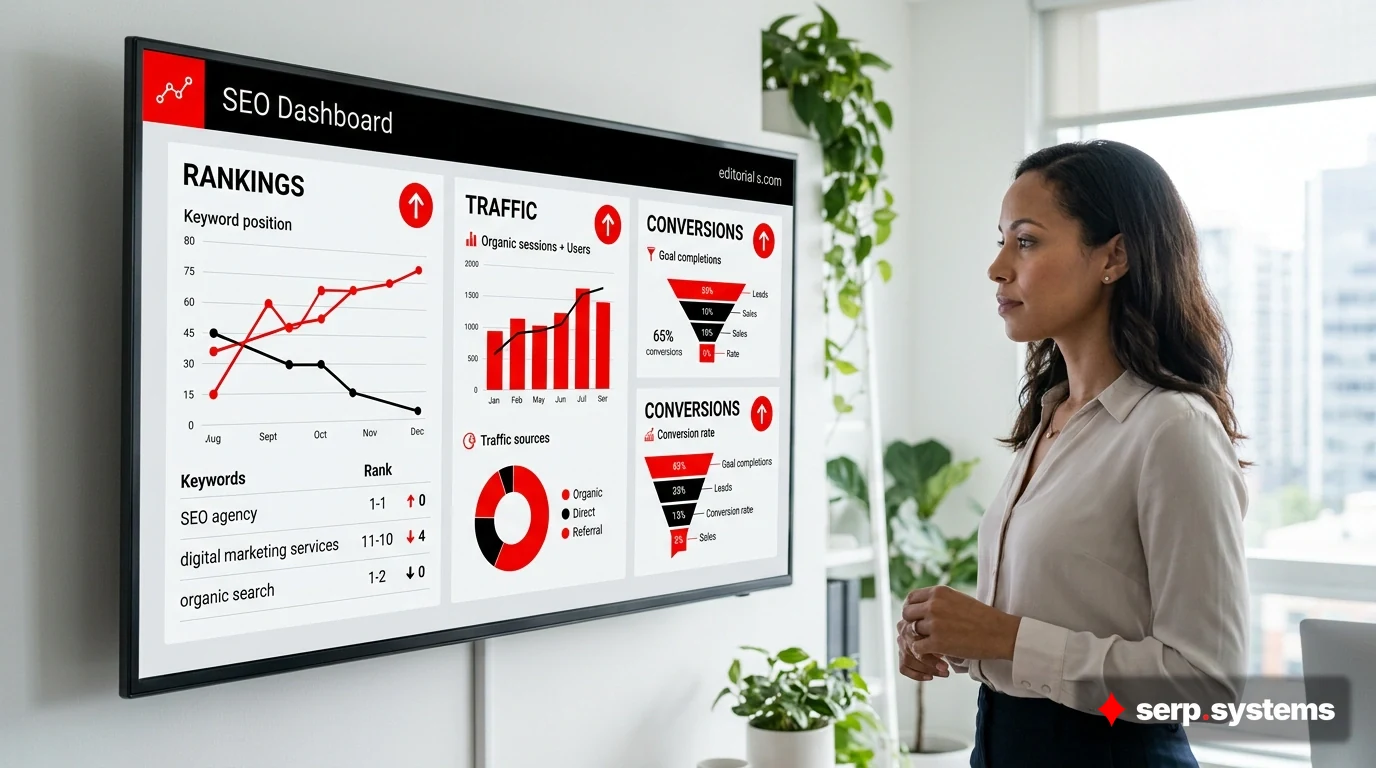
Define success metrics early. For most beginners, this means tracking keyword rankings, organic traffic growth, and conversion rates. Don't obsess over rankings alone—a keyword that ranks #1 but drives no traffic isn't helping your business.
Use your AI tool's reporting features to track these metrics monthly. Most tools generate automated reports showing which keywords improved, traffic trends, and recommendations for next steps. Share these reports with clients or stakeholders to demonstrate progress and justify continued investment in SEO.
When progress stalls, use your tool's competitive analysis features to understand why. Are competitors outranking you with better content? Are they getting backlinks you don't have? The data will point you toward the right next steps.
Advanced Features Worth Exploring Later
Once you're comfortable with basics, most AI SEO tools offer advanced features. Content gap analysis shows you which keywords competitors rank for that you don't. Backlink analysis helps you understand your link profile and identify link-building opportunities. Search intent analysis becomes more sophisticated, helping you understand specific differences between similar keywords.
Some tools include AI writing assistants that help draft content based on your target keywords and top-ranking competitors. These save time on initial drafts, though you'll always want to edit for accuracy and brand voice.
Rank tracking at scale becomes more valuable as you manage more keywords. Instead of tracking 20 keywords, you might track 500. The tool handles all the monitoring and alerts you to significant changes.
Why Beginners Should Start With Serp.systems
When you're beginning your SEO journey, you need a platform that doesn't overwhelm you with options while still providing professional-grade tools. Serp.systems offers exactly this balance—comprehensive AI-powered features presented in an intuitive interface designed for teams of any size.
The platform combines keyword research, rank tracking, content optimization, and competitor analysis in one place. Rather than juggling five different tools, you manage your entire SEO strategy from a single dashboard. For beginners, this simplicity is invaluable. You spend less time learning software and more time implementing strategy.
Serp.systems uses AI to automate routine tasks and surface insights you might otherwise miss. The keyword research tool identifies opportunities others overlook. The content optimizer shows exactly what changes will improve rankings. The rank tracker runs automatically, freeing you from manual checking.
Frequently Asked Questions
What's the best AI SEO tool for absolute beginners with no budget?
Most quality AI SEO tools offer free tiers with limited features. These free versions let you research keywords, run basic audits, and track a small number of rankings. Start free, learn the fundamentals, then upgrade when you understand what features matter most for your situation.
How long before I see results from using AI SEO tools?
Expect 3-6 months to see meaningful traffic increases from SEO efforts. AI tools accelerate the process by helping you work smarter, but they can't bypass Google's need to see established, authoritative content. Track rankings after 4-6 weeks, but judge overall success after 90 days.
Can AI SEO tools replace hiring an SEO specialist?
For basic SEO work, absolutely. AI tools handle keyword research, on-page optimization, and technical audits that used to require specialist knowledge. However, for complex strategies, competitive niches, or high-stakes projects, combining AI tools with human expertise produces better results.
Should beginners focus on ranking for many keywords or fewer high-value ones?
Start with 20-30 target keywords that have decent search volume (100-1000 monthly searches) but lower competition. This gives you a manageable scope and realistic ranking opportunities. As you succeed with these, expand to more keywords and higher-difficulty terms.
How often should I check my SEO metrics?
Monthly reviews are ideal for most beginners. More frequent checking creates unnecessary stress without providing actionable insights. Set up automated reports and review them monthly, then adjust your strategy based on trends rather than daily fluctuations.
Do I need to understand technical SEO to use AI SEO tools effectively?
No. AI tools explain technical issues in plain language and suggest fixes. You don't need to understand why a problem exists to fix it. That said, learning basic technical SEO concepts makes you a better strategist over time.