Updated June 10, 2026 · 10 min read
Google Search Console Reporting Delays: What You Need to Know in 2026
Google Search Console's performance and indexing reports are lagging by 32 hours to two weeks as of early 2026. Here's what's causing the delays and how to monitor your SEO during the outage.

Google Search Console's performance and indexing reports have experienced significant delays throughout late 2025 and into early 2026, leaving SEO professionals scrambling to understand what's happening with their data. The issue began with the page indexing report falling approximately two weeks behind schedule, while performance reports lagged by 32 hours or more. These delays have persisted longer than typical reporting glitches, creating frustration across the SEO community.
Table of Contents
- Understanding the reporting delays
- How performance reports are affected
- Page indexing report status
- What Google has said
- Impact on your SEO strategy
- Workarounds and monitoring alternatives
- Frequently Asked Questions
Understanding the reporting delays
Google Search Console reporting delays represent a technical issue affecting how data is displayed to webmasters and SEO professionals, not a problem with actual indexing or ranking processes. The delays began in early December 2025 and have continued sporadically into 2026, with performance reports sometimes lagging by over 60 hours behind real-time data. The page indexing report faced even more severe delays, with some instances showing data that was nearly two weeks old.
These delays are distinct from actual search performance problems. Google's John Mueller clarified that the delays affect only the reporting interface within Search Console, while crawling, indexing, and ranking operations continue normally. This distinction matters because it means your pages are still being indexed and ranked properly even when you can't see up-to-date data in the console.
How performance reports are affected
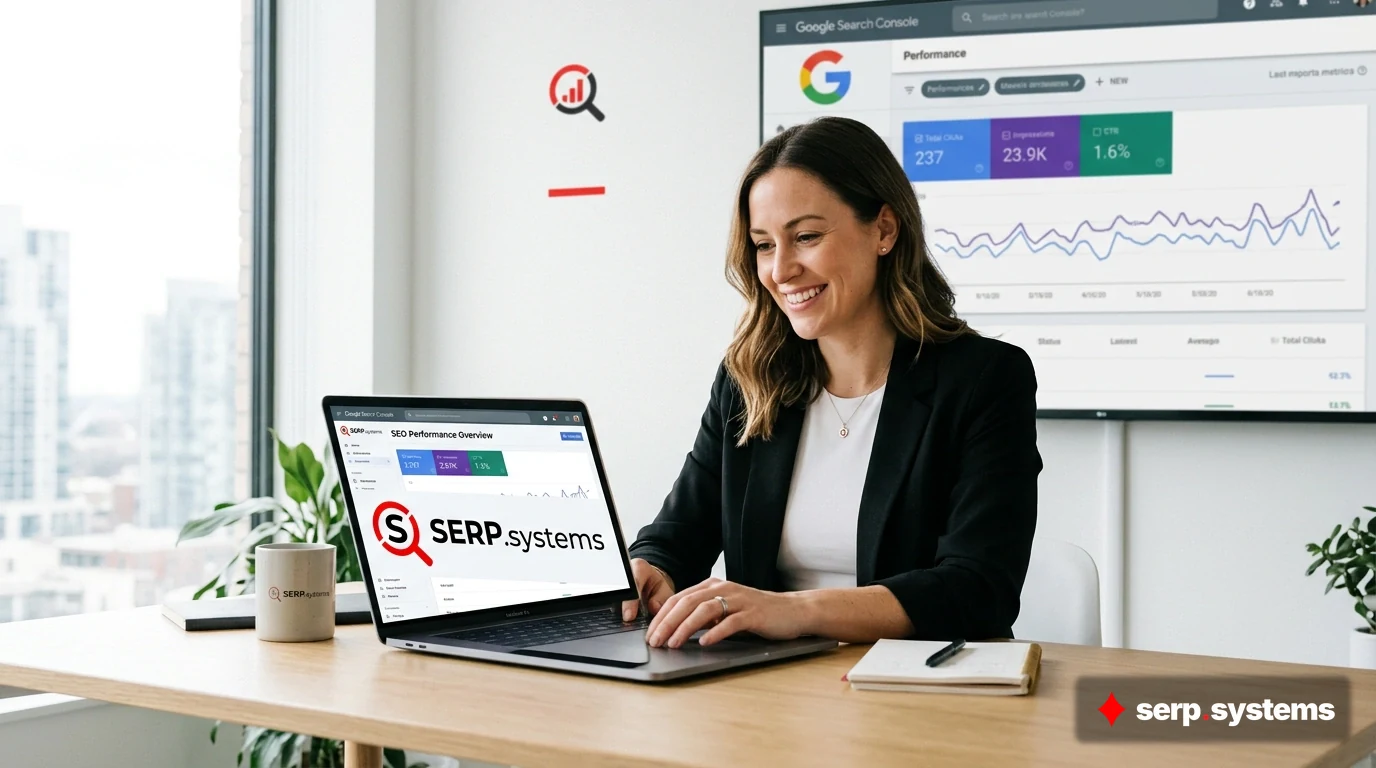
The performance report tracks clicks, impressions, click-through rates, and average position for your pages in search results. When this report falls 32 hours or more behind, you're essentially viewing data from the previous day or earlier. By mid-December 2025, some users reported delays exceeding 60 hours, meaning the data displayed was nearly three days old.
This delay creates a challenge for real-time monitoring. SEO professionals typically check performance reports to catch sudden ranking drops, traffic anomalies, or issues that require immediate attention. When data is delayed by more than a few hours, responding quickly to problems becomes difficult. However, the actual search performance metrics are being collected and processed correctly; you're simply seeing them later than usual.
The reporting lag has been inconsistent. Some days the delay improved slightly, only to worsen again within hours. This unpredictability made it harder for teams to plan around the issue or establish workarounds based on expected delay patterns.
Page indexing report status
The page indexing report shows which of your pages Google has indexed, along with any indexing issues preventing pages from being crawled or indexed. This report experienced the most severe delays, with data sometimes lagging by two weeks or more. Unlike the performance report, which showed some minor improvements before degrading again, the page indexing report remained largely stalled.
The extended delay on the page indexing report created particular concern because indexing status is fundamental to SEO health. Webmasters rely on this report to identify crawl errors, mobile usability issues, and other problems that could prevent their content from appearing in search results. A two-week delay means you're potentially unaware of indexing problems for an extended period.
However, similar to the performance report issue, the actual indexing process was unaffected. Pages were still being crawled and indexed normally. The problem was purely a reporting lag, not an indexing failure.
What Google has said
Google's Search Console team acknowledged the delays through official channels. John Mueller, a prominent Google Search Advocate, confirmed that the reporting delays were being investigated but provided limited additional details. His statements emphasized that the delays were confined to reporting functionality and had no impact on actual search performance.
Mueller noted that both the page indexing and performance reports were delayed beyond what Google considered normal. He expressed understanding of the frustration this caused for SEO professionals who depend on timely data for their work. However, no specific timeline for resolution was provided in his public communications.
The acknowledgment from Google's official channels was important because it confirmed the issue was recognized at the company level and being addressed by the Search Console team. This prevented speculation that the delays were intentional or permanent changes to how Search Console reporting would function.
Impact on your SEO strategy
Delayed reporting data affects several aspects of SEO work. Real-time monitoring becomes less effective when you're viewing data from hours or days ago. Identifying sudden ranking changes, traffic spikes, or indexing problems requires current information. Additionally, reporting to stakeholders or clients becomes complicated when you can't provide up-to-date metrics.
The delays don't change your actual search performance, but they do change how quickly you can respond to problems. A competitor's site might rank above yours, but you won't know about it for several hours. A new page might fail to index, but you won't see that error for two weeks. This lag in visibility creates operational friction even though the underlying search processes work correctly.
For larger sites with complex content structures, the impact is more pronounced. Tracking hundreds or thousands of pages becomes harder when indexing data is significantly delayed. Teams managing multiple properties must work around incomplete information when making decisions about content strategy or technical optimization.
Workarounds and monitoring alternatives
While waiting for Google to resolve the reporting delays, SEO professionals can use alternative monitoring methods. Third-party SEO tools often provide their own ranking tracking and indexing monitoring features that operate independently of Google Search Console. These tools can sometimes provide fresher data or different perspectives on your search performance.
Checking Google Search directly for your brand terms and target keywords provides real-time information about how your pages rank. While not as comprehensive as Search Console data, manual searches can quickly reveal major ranking changes or indexing issues. Using site: operators in Google Search helps verify which of your pages are indexed.
Server logs and web analytics platforms offer additional insights into search traffic patterns. Google Analytics tracks traffic from organic search, showing which pages receive visits and from which queries. This data can help identify ranking problems or content opportunities even when Search Console reporting lags behind.
Setting up alerts through monitoring services can notify you of significant changes in your search performance. These alerts can catch issues that might otherwise go unnoticed during reporting delays. Additionally, maintaining detailed records of your own performance metrics allows you to track trends independently of Search Console's reporting schedule.
Frequently Asked Questions
Are my pages still being indexed if Search Console reports are delayed?
Yes. Google's John Mueller confirmed that the reporting delays affect only the display of data within Search Console, not the actual crawling, indexing, or ranking processes. Your pages continue to be indexed and ranked normally even when you can't see current data in the console.
How long have the Search Console delays lasted?
The delays began in early December 2025 and continued into 2026. Performance reports have experienced variable delays ranging from 32 hours to over 60 hours, while page indexing reports have lagged by up to two weeks. The exact duration has been inconsistent, with some periods showing slight improvement before delays worsened again.
Should I stop using Search Console until reporting is fixed?
No. Search Console remains valuable for understanding indexing issues, checking coverage, and monitoring security problems. The delays affect data freshness but don't eliminate the utility of the tool. Continue using it for technical SEO monitoring while supplementing with alternative tools for real-time performance tracking.
Why does Google let reporting delays persist for this long?
Google's Search Console team has been working on the issue, but the underlying cause appears to be a technical problem requiring careful resolution. Reporting bugs can be complex to diagnose and fix, especially in a system processing data from millions of websites. Google prioritizes ensuring the fix doesn't introduce new problems over rushing a quick resolution.
Can I get historical data from before the delays started?
The data exists, but Search Console displays it with the same delays affecting current reporting. Historical data within Search Console will reflect the same lag. Third-party SEO tools that track your performance independently may have more current historical data available.
What should I monitor if Search Console reports are too delayed for my needs?
Focus on Google Search direct verification using site: operators, track organic traffic through web analytics, monitor rankings through alternative SEO tools, and review server logs for search engine crawl activity. These methods provide complementary data that can help you stay informed about your search performance during reporting delays.