Updated April 13, 2026 · 10 min read
SEO Fundamentals: How Search Engines Work and Why Optimization Matters in 2026
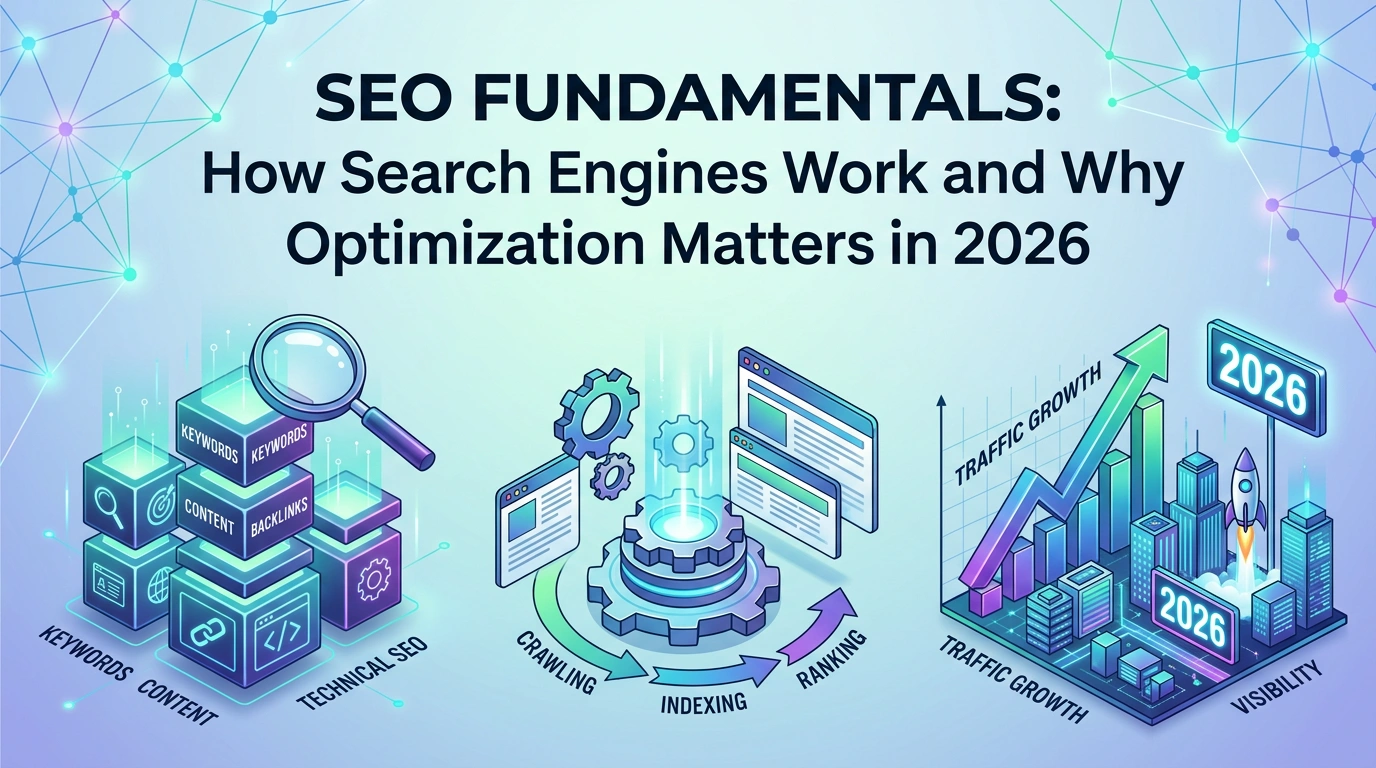
Search engines process billions of pages daily using complex algorithms to rank results. This guide covers crawling, indexing, keywords, content quality, backlinks, and technical SEO—the core factors that determine your visibility in 2026.

Search engine optimization has become essential for anyone with an online presence. Whether you're running a blog, managing an e-commerce site, or building a brand, understanding how search engines work directly impacts your visibility. This guide breaks down SEO from the ground up, covering the mechanics behind search rankings and practical strategies to improve your site's performance.
What Is SEO and Why Does It Matter?
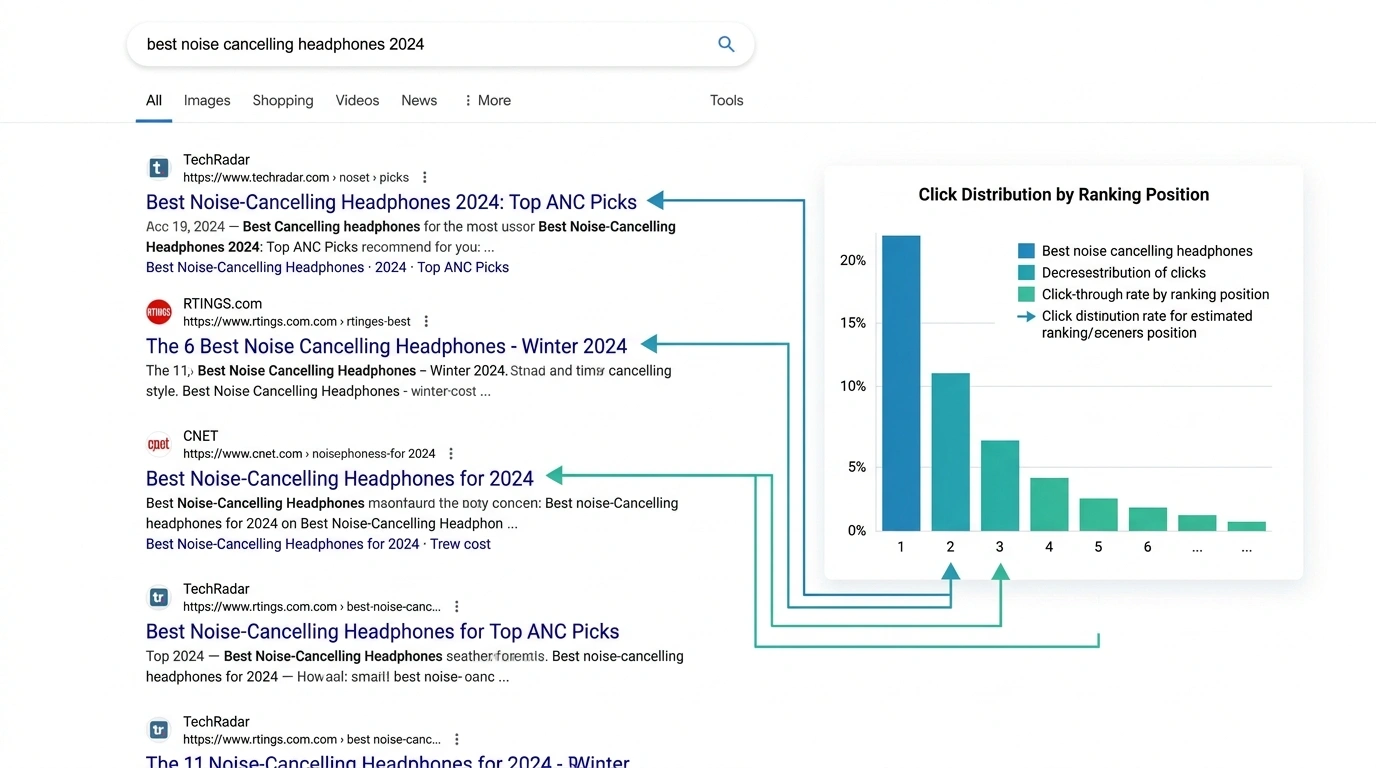
SEO refers to the process of optimizing your website to rank higher in search engine results. When someone searches for a topic related to your business or content, you want your pages to appear on the first page of results. Most users never scroll past the first few results, so ranking visibility translates directly to traffic and opportunity.
Search engines like Google process billions of pages daily. They use algorithms to determine which pages best match a user's search intent. Your job is to make it easier for those algorithms to understand what your content is about and why it's valuable. This involves technical improvements, content quality, and building authority.
The stakes are real. A site ranking on page two of Google receives a fraction of the clicks compared to a page one result. SEO gives smaller sites a real chance to compete against larger brands if they execute strategy correctly.
How Search Engines Crawl and Index Your Content
Before your pages can rank, search engines must find and understand them. This process starts with crawling. Search engine bots (also called spiders or crawlers) visit your website and follow links from page to page. They read the HTML code, text, images, and other elements to understand what each page contains.
Crawling is just the first step. After crawling, search engines index the content. Indexing means storing and organizing information about your pages in a massive database. When someone performs a search, the engine doesn't scan the entire web in real time. Instead, it searches through this pre-built index to find relevant results.
Not all pages get indexed equally. Search engines prioritize pages based on signals like freshness, relevance, and authority. A new page on an established site typically gets indexed faster than a new page on a brand-new domain. Your site's crawl budget—the number of pages search engines will crawl—depends on factors like site speed and the quality of your internal linking structure.
The Role of Keywords in Search Rankings
Keywords are the foundation of SEO. A keyword is the term or phrase someone types into a search engine. Understanding what keywords your audience uses helps you create content that matches their intent.
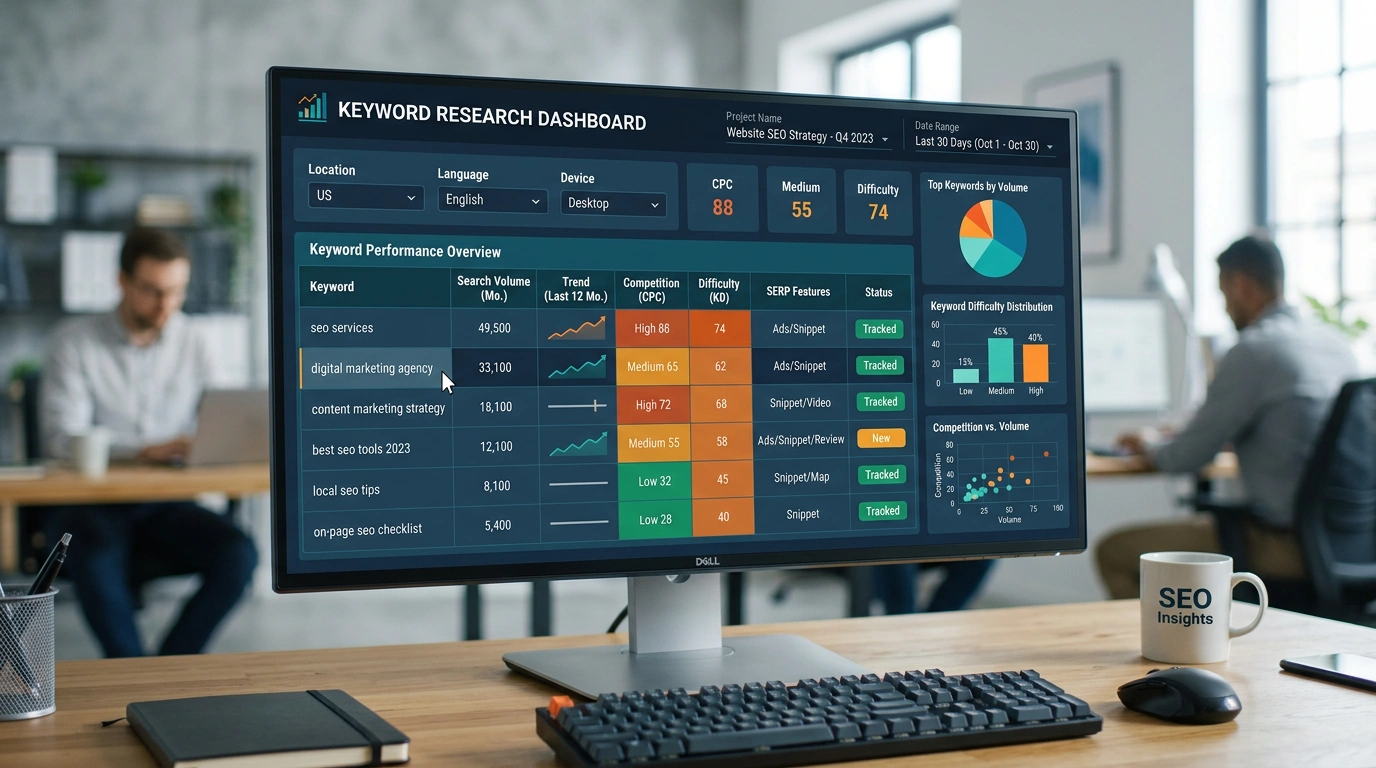
Keyword research involves identifying terms people actually search for in your industry. Tools and platforms like serp.systems help you analyze search volume, competition level, and keyword difficulty. You're not just looking for high-volume keywords—you're looking for keywords that match your business and have realistic ranking potential.
Once you've identified target keywords, you incorporate them naturally into your content. This includes the page title, headings, body text, and meta descriptions. However, keyword stuffing—forcing keywords unnaturally into your content—damages rankings and hurts user experience. The goal is integration that reads naturally while signaling to search engines what your page is about.
Long-tail keywords (longer, more specific phrases) often have lower search volume but higher conversion intent. Someone searching "best SEO tools for small businesses" is further along in a buying decision than someone searching just "SEO tools." Targeting these longer phrases can yield better results even if they receive fewer total searches.
Content Quality and Relevance Factors
Search engines prioritize content that genuinely answers user questions. This means your content must be accurate, comprehensive, and well-organized. A page that briefly touches on a topic ranks lower than a page that thoroughly explores it with examples, data, and actionable insights.
Content relevance goes beyond just including keywords. It's about matching search intent. If someone searches "how to fix a leaky faucet," they want a practical guide, not a history of plumbing. Understanding the intent behind searches helps you create content that actually satisfies users.
Freshness matters too. Search engines favor recently updated content, particularly for news and trending topics. This doesn't mean you need to constantly rewrite old content, but refreshing pages with new information, updated statistics, and current examples can improve rankings. A comprehensive guide updated quarterly performs better than one left untouched for years.
Content structure affects both user experience and SEO. Clear headings, short paragraphs, bullet points, and visual elements make content easier to scan and digest. Search engines use heading tags to understand your content hierarchy, so proper heading structure (using H2 and H3 tags appropriately) helps with both rankings and readability.
Building Authority and Backlinks
Authority is a major ranking factor. Search engines assess whether other websites link to yours and whether those linking sites are themselves authoritative. A link from a well-established news publication carries more weight than a link from a random blog.
Backlinks act as votes of confidence. When a reputable site links to your content, search engines interpret that as a signal that your content is valuable. Building backlinks requires creating content worth linking to and actively reaching out to relevant sites and publications.
However, not all links are equal. Quality matters far more than quantity. A few links from high-authority sites in your industry outweigh dozens of links from low-quality directories. Search engines can identify manipulative linking practices—buying links, participating in link schemes, or getting links from irrelevant sites—and these tactics can result in penalties.
Earning links happens naturally when you produce exceptional content, conduct original research, or provide unique insights. You can accelerate the process by reaching out to journalists, bloggers, and industry influencers when you publish something newsworthy or genuinely useful.
Technical SEO: The Foundation Your Site Needs
Technical SEO ensures search engines can efficiently crawl and index your site. This includes site speed, mobile responsiveness, SSL certificates, XML sitemaps, and robots.txt files. A slow site frustrates users and search engines alike—page speed is a confirmed ranking factor.
Mobile responsiveness is non-negotiable. Over half of web traffic comes from mobile devices, and Google now uses mobile-first indexing. This means Google primarily crawls and indexes the mobile version of your site. If your mobile site is inferior to your desktop version, your rankings suffer.
Structured data (schema markup) helps search engines understand your content better. Adding schema markup for reviews, products, events, or articles enables search engines to display rich snippets in results. These enhanced results attract more clicks and can improve your click-through rate.
XML sitemaps tell search engines which pages exist on your site and how important they are. A robots.txt file instructs crawlers which pages to crawl and which to skip. These technical foundations prevent crawl issues and ensure your most important pages get indexed.
On-Page SEO Optimization Tactics
On-page SEO involves optimizing individual pages for target keywords. Your page title should include your primary keyword and be compelling enough to encourage clicks. Meta descriptions appear below your title in search results and should summarize your page in 150-160 characters.
URL structure matters. Clean, descriptive URLs that include your target keyword help search engines and users understand what a page is about. Avoid long, parameter-filled URLs with random numbers and codes.
Internal linking connects your pages and distributes authority throughout your site. When you link from one page to another using descriptive anchor text, you help search engines understand relationships between pages. Internal links also guide users to related content, improving engagement.
Image optimization includes using descriptive file names and alt text. Alt text serves users with visual impairments and helps search engines understand what images show. An image named "photo-123.jpg" provides no information, while "best-seo-tools-comparison.jpg" clearly describes the image content.
Off-Page SEO and Building Your Online Presence
Off-page SEO refers to activities outside your website that impact rankings. The most important off-page factor is backlinks, but social signals, brand mentions, and online reputation also matter.
Brand mentions across the web signal authority and relevance. When major publications mention your company or website, even without linking directly, search engines take notice. Building relationships with journalists, podcasters, and influencers increases the likelihood of these mentions.
Social media doesn't directly impact rankings, but it drives traffic and increases the chances of your content being shared and linked to. Content that performs well on social platforms often attracts backlinks and media coverage.
Online reviews and reputation management affect both rankings and user trust. Sites with consistently positive reviews rank better than those with negative reviews. Encouraging satisfied customers to leave reviews improves your online reputation and can boost local rankings.
Local SEO for Location-Based Businesses
Local SEO helps businesses attract customers in specific geographic areas. If you operate a physical location or serve customers in particular regions, local SEO is critical.
Google My Business optimization is foundational. Claiming and optimizing your Google My Business listing ensures your business appears in local search results and Google Maps. Complete all information accurately, add photos, respond to reviews, and post updates regularly.
Local citations (mentions of your business name, address, and phone number on other websites) build local authority. Consistency across citations matters—your business information should be identical everywhere it appears. Directories like Yelp, Better Business Bureau, and industry-specific sites all serve as citation sources.
Local backlinks from community organizations, local news outlets, and neighborhood blogs boost your local authority. Getting featured in local media or sponsoring community events creates linking opportunities and builds credibility.
Measuring SEO Success With Analytics and Tracking
You can't improve what you don't measure. Setting up proper analytics tracking helps you understand which strategies work and where to focus effort.
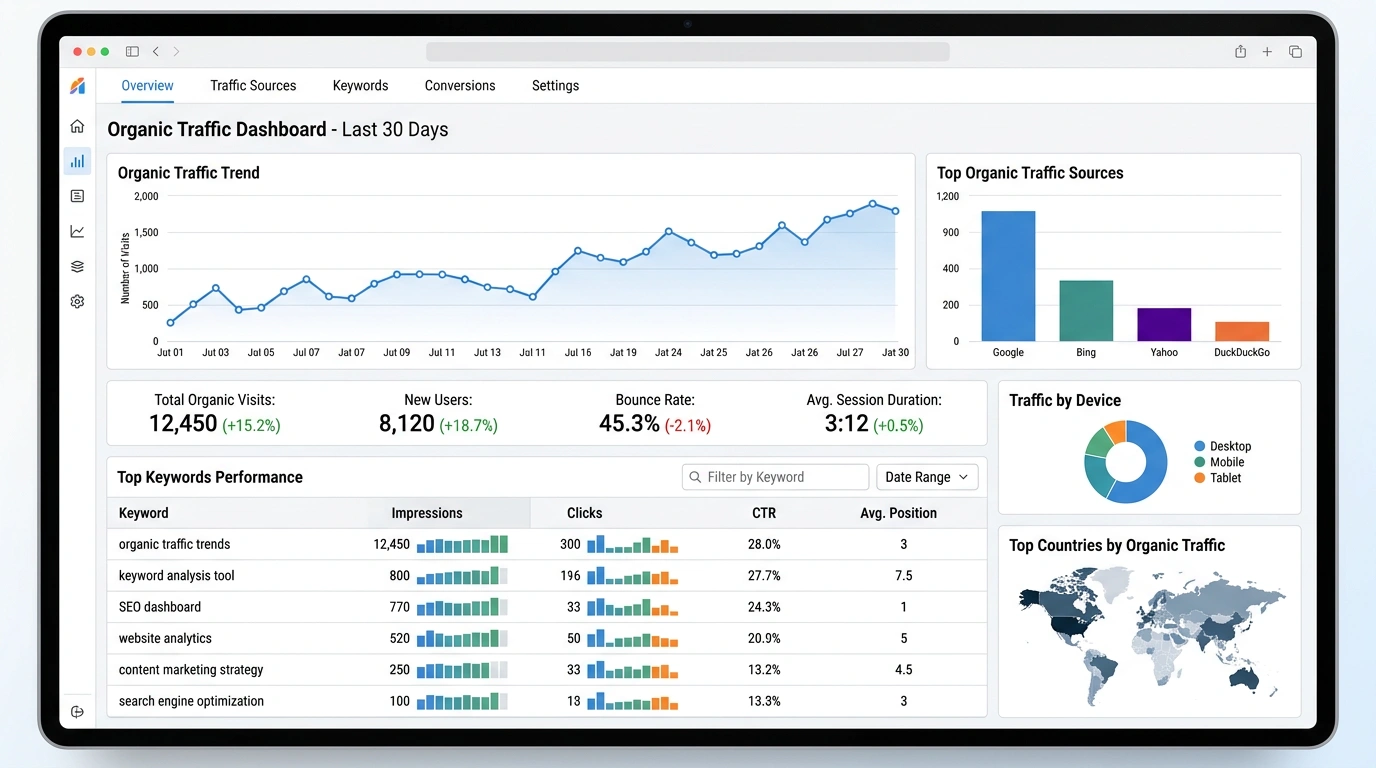
Google Analytics reveals how much organic traffic you're getting, which pages perform best, and how users interact with your content. Google Search Console shows which keywords drive traffic, how often your pages appear in results, and technical issues search engines encounter on your site.
Key metrics to track include organic traffic (visits from search engines), keyword rankings (where your pages rank for target keywords), click-through rate (percentage of search results that get clicked), and conversion rate (percentage of visitors who complete desired actions).
Establish baseline metrics before implementing changes. Then monitor progress over weeks and months. SEO rarely produces overnight results—most improvements take time to compound. Patience combined with consistent optimization yields the best outcomes.
Common SEO Mistakes to Avoid
Many websites sabotage their own rankings through preventable errors. Keyword stuffing makes content unreadable and triggers search engine penalties. Duplicate content across multiple pages confuses search engines about which version should rank.
Poor mobile optimization immediately hurts rankings and user experience. Broken internal links create frustration and waste crawl budget. Ignoring page speed costs you both rankings and users—people abandon slow sites within seconds.
Buying links or participating in link schemes violates search engine guidelines and results in manual penalties. Creating thin content with little value fails to satisfy user intent. Neglecting user experience in favor of ranking tactics backfires when search engines prioritize pages that keep users engaged.
Staying current with search engine algorithm updates helps you avoid tactics that become penalties. What worked five years ago may hurt you today. Following best practices from authoritative sources keeps your strategy grounded in how search engines actually work.
Getting Started With SEO in 2026
The fundamentals of SEO haven't changed dramatically, but search engines continue refining how they evaluate content and user experience. Starting an SEO strategy today means focusing on the factors that matter most: creating valuable content, optimizing for user experience, building authority, and maintaining technical health.
Begin with keyword research to understand what your audience searches for. Audit your current site to identify technical issues and content gaps. Create a content plan targeting keywords with realistic ranking potential. Build backlinks through relationships and exceptional content. Monitor your progress and adjust your approach based on results.
Tools like serp.systems help you optimize keyword rankings, analyze competitor strategies, and identify opportunities.
Analyze your SEO performance with serp.systems
FAQ
What is the most important SEO ranking factor?
Content quality and relevance rank highest. Search engines prioritize pages that thoroughly answer user questions with accurate, comprehensive information. However, no single factor determines rankings—success requires attention to content, technical health, authority, and user experience combined.
How long does it take to see SEO results?
Most websites see noticeable improvements within 3-6 months, though competitive keywords may take longer. SEO is a long-term strategy. Consistent optimization compounds over time, but expecting immediate results sets unrealistic expectations.
Should I focus on many keywords or just a few?
Start with a smaller number of high-potential keywords you can realistically rank for. As you build authority and content, expand your keyword targets. Quality rankings for relevant keywords drive better results than chasing every possible keyword.
Is SEO still worth doing in 2026?
Absolutely. Organic search remains one of the highest-intent traffic sources available. Users searching for solutions are ready to engage. While paid advertising and social media matter, organic search provides sustainable, long-term visibility without ongoing ad spend.
Can I do SEO myself or should I hire an agency?
You can implement basic SEO yourself with research and effort. However, SEO requires time, ongoing learning, and technical knowledge. Many businesses benefit from professional help, especially for competitive markets or technical implementations.
How often should I update my content for SEO?
Refresh important pages quarterly or when significant new information emerges. Update statistics, add recent examples, and improve outdated recommendations. Regular updates signal freshness to search engines and keep content valuable for users.